
 ES
ES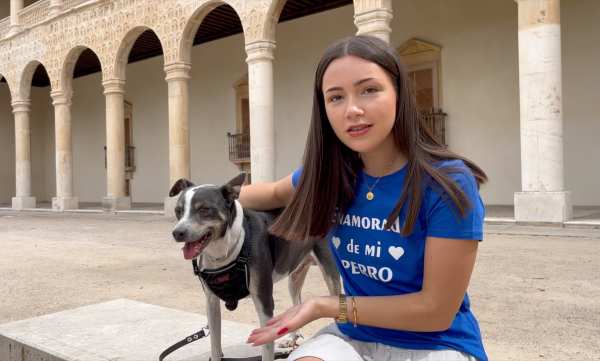
Every Spanish teacher hits that moment when nothing seems to engage students. Activities that used to work suddenly fall flat. Games lose their spark. But then there are those rare units that always work. ¿Cuál es la mascota más sociable? is one of them. This unit keeps students engaged while naturally teaching them how to compare animals of all kinds:Here’s … Read More
¿Bañas a tu mascota o se lava sola?
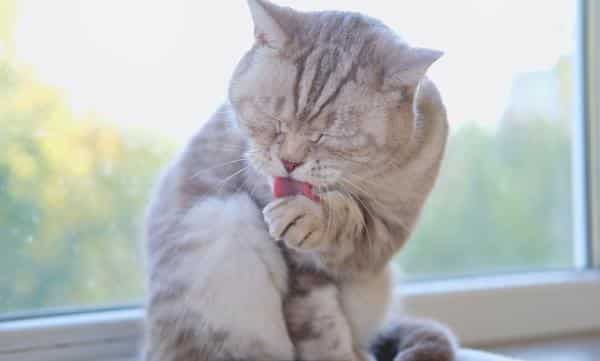
Teaching reflexive verbs in an original way! Want your students to truly understand reflexive verbs? In this ready-to-use unit, students discover what reflexive verbs are, how they work, and how they differ from ordinary verbs through engaging activities featuring… cats and dogs! (Yes, animals boost attention and make grammar stick)Here is what is packed into this comprehensive unit: Warm-up: A … Read More
Lo siento por el perro: no es para mi departamento
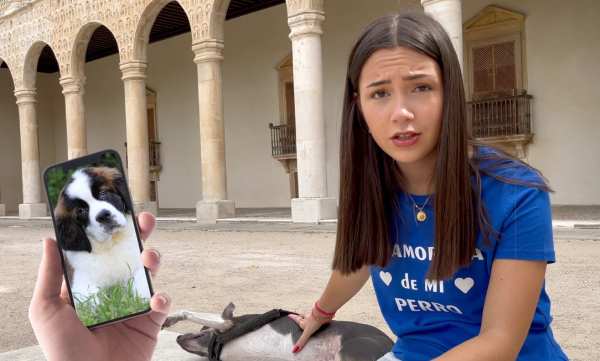
You can teach the uses of para and por with a clear explanation of their differences. Followed by some great (but out-of-context) examples. Or… You can immerse your students in a story: A young Mexican man is offered a Saint Bernard puppy. The puppy is incredibly cute. He wouldn’t have to pay anything for it. But the young man lives … Read More
¿Qué comen los gatos y los perros?
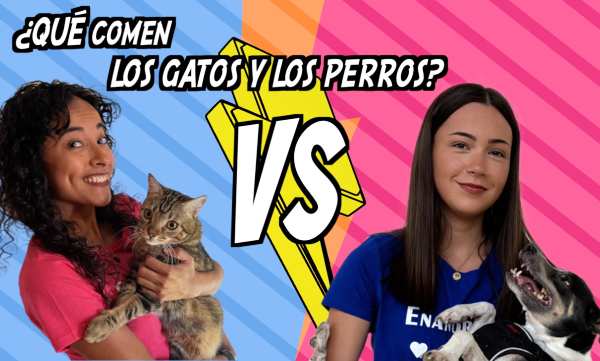
SEBASTIÁN: ¿Cuál es la comida favorita de Quijote? LUCÍA: Le gustan muchísimas cosas, pero yo creo que su comida favorita es el pollo.SEBASTIÁN: A mí también me gusta mucho el pollo. Y dime, Lucía, ¿qué va a comer hoy Quijote? This is a real-life example of how to use qué and cuál that immediately grabs students’ attention. Even students who … Read More
¿Qué mascota te parece más divertida?

– No, claro, te hace caso… Pero solo cuando le das de comer, ¿no es cierto? – Pues no. También le gusta jugar. Yo le compro muchos juguetes… – Sí, y juega los primeros cinco minutos. Los perros son mucho más divertidos. A Quijote incluso le leo cuentos. – ¿Qué? ¿Le lees cuentos a tu perro? This is a real-life … Read More
¿Qué mascota necesita menos cuidados?

—¿Cuántas veces al día sacas a tu perro?—Lo paseo 3 veces al día. This is a real-life example of how to use direct object pronouns that grabs students’ attention. Even students who don’t love grammar will enjoy talking about pets, and meeting Quijote and Gabo, the stars of our series Equipo gato, equipo perro: Equipo gato, equipo perro is a … Read More
Cuando estás triste, ¿es mejor un gato o un perro?
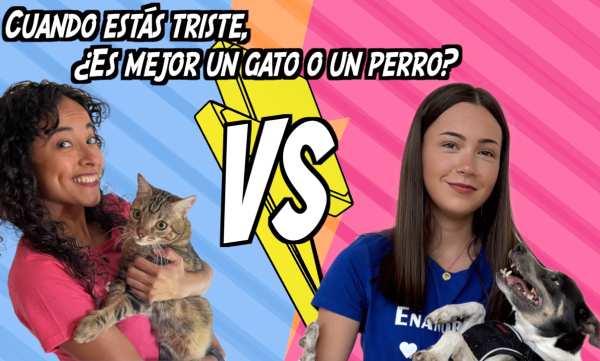
As a Spanish teacher, the chances that you’ll have to teach the differences between ser and estar are pretty high. And you surely want to explain it in the most engaging way possible. So your students enjoy it. So it’s meaningful to them. So they say: “Oooooohhhh.” Can you think of a better way than to divide them into two … Read More
Machu Picchu es increíble

Novice Spanish students must know about Machu Picchu. Why? Because Machu Picchu es increíble. That’s the title of this engaging lesson that helps learners describe tourist destinations using the verbs ser, estar, and hay. All while exploring one of the most fascinating places in the Spanish-speaking world.What’s included? ✅ A warm-up activity that introduces the key vocabulary of the lesson
La solidaridad de un centro latino
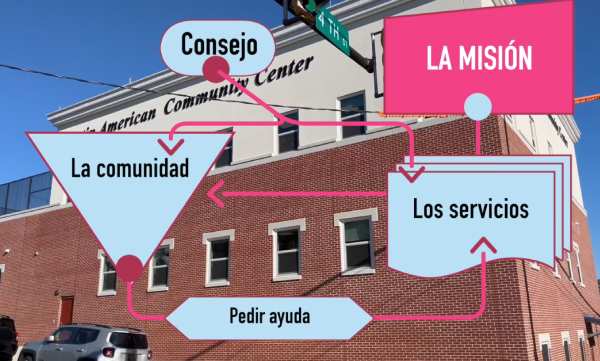
What is the most common topic we find systematically in the news? If you’re answer is the environment, and natural disasters you may be right. But I’m thinking about migration. We live in a world where migration is constant and global. People move across borders for work, safety, opportunity—and each movement brings complex realities and needs. This lesson helps students … Read More
El futuro será solar

Looking for a fresh way to teach the future tense? Our new unit combines grammar, real-world topics, and student engagement. Centered around Mexico’s investment in solar energy, the unit features a 3:38 original video (with optional subtitles) that introduces students to environmental challenges and solutions using future tense structures. What’s included? ✅ A fun warm-up activity ✅ A reading + … Read More