
 ES
ES
Since the College Board announced that the AP Spanish Language and Culture Exam would include a project, we started thinking about how to help your students get ready for this new part of the exam. When we learned that the first project would focus on cultural analysis through music, we put flamenco at the center and started working on it. … Read More
Campeones del mundo

We’ll skip the usual “the first days of school are crucial…” because you already know that better than anyone. So let’s get straight to the point. We have the perfect unit (video + activities) for the first days of your Spanish 2–4 courses: The lesson combines the celebration of Spain’s 2026 World Cup victory with a review of the main … Read More
AP: Los Reyes del Mundo

Here’s the best way to start your AP Spanish classes this year. We’ve just published a brand-new lesson that introduces your students to the AP Spanish Language and Culture course through Spain’s World Cup victory. If you don’t have a subscription yet, you can sign up for a completely 7-day free trial (no payment information required!) and use that lesson, … Read More
Menos bebés y más mascotas

There’s no better way to practise writing an argumentative essay than with a topic your students will genuinely care about. Can you think of a more engaging one than pets? Your students will explore three authentic sources before answering this AP-style essay question: ¿Es positivo para la sociedad el auge de las mascotas? The question is far more complex than … Read More
¿Llevas a tu mascota de vacaciones?

Looking for a discussion topic that will get your students talking? Well, you’ve just found it! What do people do with their pets when they go on vacation? Is it easier to travel with a dog or a cat? Even students who don’t have pets will want to share their opinions. They’ll be ready to watch the video from our … Read More
Buenas mascotas, ¿muchos gastos?
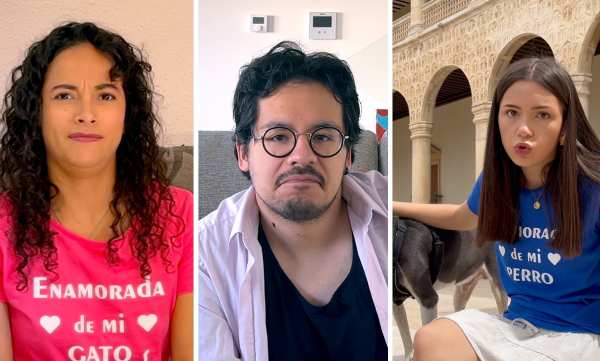
Mi profesor es muy bien. That’s a sentence I’ve heard from my students more times than I’d like. Even if we focus on communication and don’t obsess over grammar, there comes a point when we want students to stop making mistakes like these. Or, as Short Round says in Indiana Jones and the Temple of Doom: ¡Mucho divertido, Indy! Teaching … Read More
¿Cuál es la mascota más sociable?
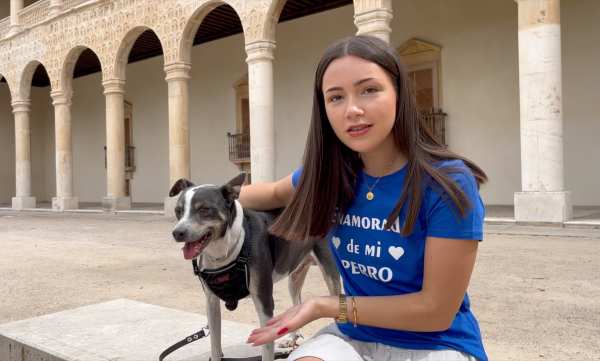
Every Spanish teacher hits that moment when nothing seems to engage students. Activities that used to work suddenly fall flat. Games lose their spark. But then there are those rare units that always work. ¿Cuál es la mascota más sociable? is one of them. This unit keeps students engaged while naturally teaching them how to compare animals of all kinds:Here’s … Read More
¿Bañas a tu mascota o se lava sola?
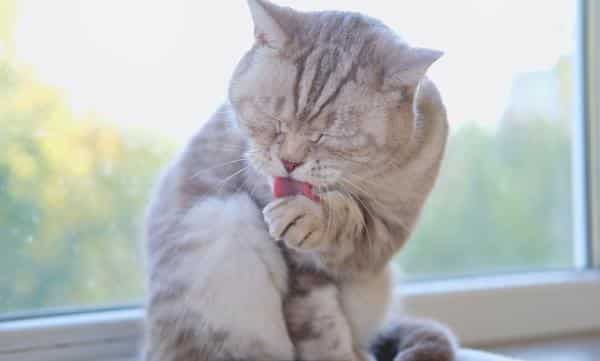
Teaching reflexive verbs in an original way! Want your students to truly understand reflexive verbs? In this ready-to-use unit, students discover what reflexive verbs are, how they work, and how they differ from ordinary verbs through engaging activities featuring… cats and dogs! (Yes, animals boost attention and make grammar stick)Here is what is packed into this comprehensive unit: Warm-up: A … Read More
Lo siento por el perro: no es para mi departamento
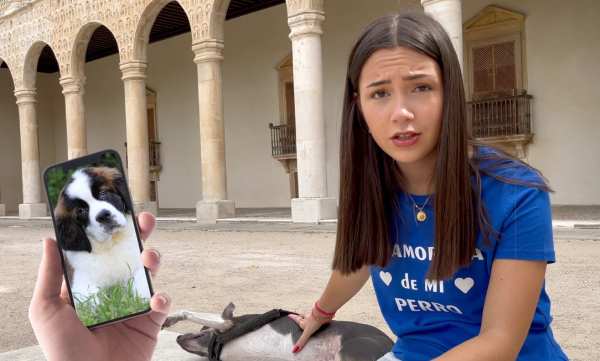
You can teach the uses of para and por with a clear explanation of their differences. Followed by some great (but out-of-context) examples. Or… You can immerse your students in a story: A young Mexican man is offered a Saint Bernard puppy. The puppy is incredibly cute. He wouldn’t have to pay anything for it. But the young man lives … Read More
¿Qué comen los gatos y los perros?
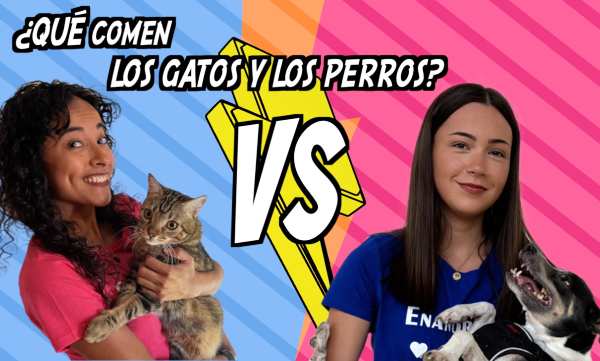
SEBASTIÁN: ¿Cuál es la comida favorita de Quijote? LUCÍA: Le gustan muchísimas cosas, pero yo creo que su comida favorita es el pollo.SEBASTIÁN: A mí también me gusta mucho el pollo. Y dime, Lucía, ¿qué va a comer hoy Quijote? This is a real-life example of how to use qué and cuál that immediately grabs students’ attention. Even students who … Read More