
 ES
ES
Looking for a discussion topic that will get your students talking? Well, you’ve just found it! What do people do with their pets when they go on vacation? Is it easier to travel with a dog or a cat? Even students who don’t have pets will want to share their opinions. They’ll be ready to watch the video from our … Read More
¿Cuál es la mascota más sociable?
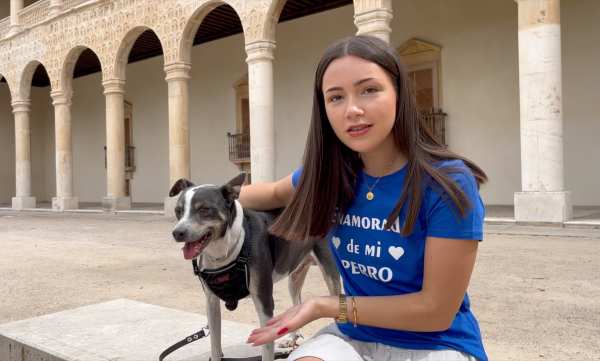
Every Spanish teacher hits that moment when nothing seems to engage students. Activities that used to work suddenly fall flat. Games lose their spark. But then there are those rare units that always work. ¿Cuál es la mascota más sociable? is one of them. This unit keeps students engaged while naturally teaching them how to compare animals of all kinds:Here’s … Read More
¿Bañas a tu mascota o se lava sola?
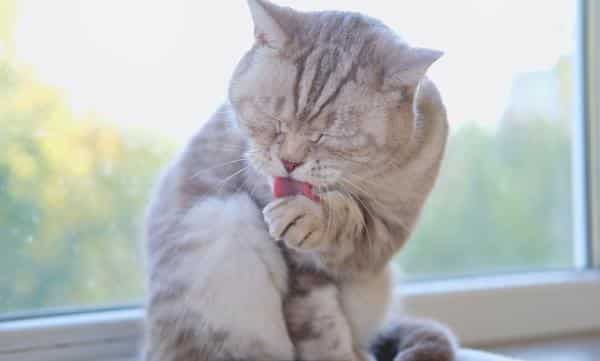
Teaching reflexive verbs in an original way! Want your students to truly understand reflexive verbs? In this ready-to-use unit, students discover what reflexive verbs are, how they work, and how they differ from ordinary verbs through engaging activities featuring… cats and dogs! (Yes, animals boost attention and make grammar stick)Here is what is packed into this comprehensive unit: Warm-up: A … Read More
¿Qué comen los gatos y los perros?
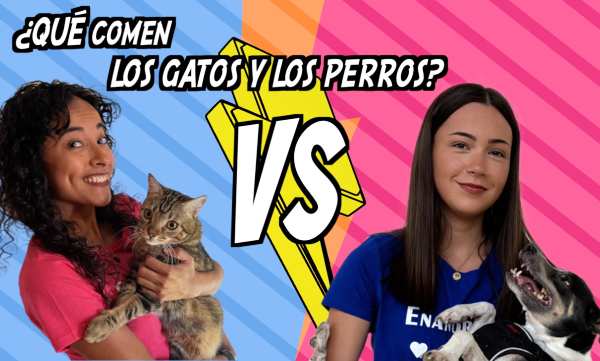
SEBASTIÁN: ¿Cuál es la comida favorita de Quijote? LUCÍA: Le gustan muchísimas cosas, pero yo creo que su comida favorita es el pollo.SEBASTIÁN: A mí también me gusta mucho el pollo. Y dime, Lucía, ¿qué va a comer hoy Quijote? This is a real-life example of how to use qué and cuál that immediately grabs students’ attention. Even students who … Read More
Machu Picchu es increíble

Novice Spanish students must know about Machu Picchu. Why? Because Machu Picchu es increíble. That’s the title of this engaging lesson that helps learners describe tourist destinations using the verbs ser, estar, and hay. All while exploring one of the most fascinating places in the Spanish-speaking world.What’s included? ✅ A warm-up activity that introduces the key vocabulary of the lesson