
 ES
ES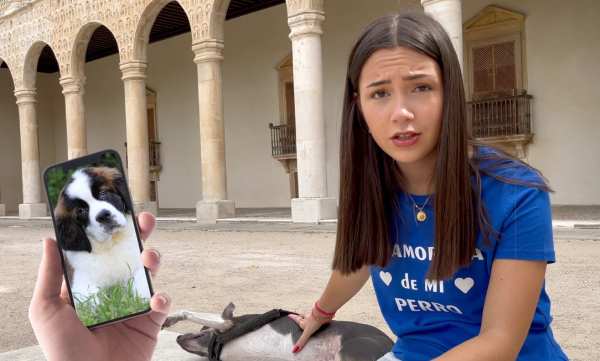
You can teach the uses of para and por with a clear explanation of their differences. Followed by some great (but out-of-context) examples. Or… You can immerse your students in a story: A young Mexican man is offered a Saint Bernard puppy. The puppy is incredibly cute. He wouldn’t have to pay anything for it. But the young man lives … Read More

¿Qué mascota necesita menos cuidados?

—¿Cuántas veces al día sacas a tu perro?—Lo paseo 3 veces al día. This is a real-life example of how to use direct object pronouns that grabs students’ attention. Even students who don’t love grammar will enjoy talking about pets, and meeting Quijote and Gabo, the stars of our series Equipo gato, equipo perro: Equipo gato, equipo perro is a … Read More
Machu Picchu es increíble

Novice Spanish students must know about Machu Picchu. Why? Because Machu Picchu es increíble. That’s the title of this engaging lesson that helps learners describe tourist destinations using the verbs ser, estar, and hay. All while exploring one of the most fascinating places in the Spanish-speaking world.What’s included? ✅ A warm-up activity that introduces the key vocabulary of the lesson