
 ES
ES
We’ll skip the usual “the first days of school are crucial…” because you already know that better than anyone. So let’s get straight to the point. We have the perfect unit (video + activities) for the first days of your Spanish 2–4 courses: The lesson combines the celebration of Spain’s 2026 World Cup victory with a review of the main … Read More
Menos bebés y más mascotas
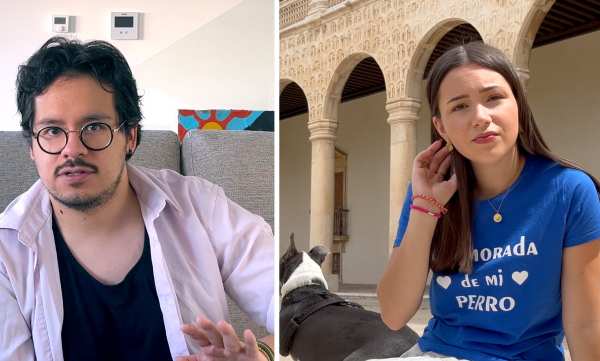
There’s no better way to practise writing an argumentative essay than with a topic your students will genuinely care about. Can you think of a more engaging one than pets? Your students will explore three authentic sources before answering this AP-style essay question: ¿Es positivo para la sociedad el auge de las mascotas? The question is far more complex than … Read More
Turn the World Cup into your first lesson of the year

What a World Cup we’ve had! You definitely need to bring this amazing tournament into your classroom. There were so many last-minute goals. So many exciting matches! And a dream final between two Spanish-speaking teams. We went to downtown Madrid to celebrate Spain’s victory with the fans and the players. We also interviewed fans to create materials so you can … Read More
Lo siento por el perro: no es para mi departamento
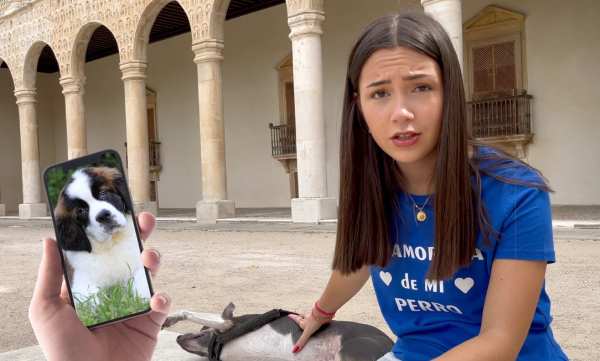
You can teach the uses of para and por with a clear explanation of their differences. Followed by some great (but out-of-context) examples. Or… You can immerse your students in a story: A young Mexican man is offered a Saint Bernard puppy. The puppy is incredibly cute. He wouldn’t have to pay anything for it. But the young man lives … Read More

¿Qué mascota necesita menos cuidados?

—¿Cuántas veces al día sacas a tu perro?—Lo paseo 3 veces al día. This is a real-life example of how to use direct object pronouns that grabs students’ attention. Even students who don’t love grammar will enjoy talking about pets, and meeting Quijote and Gabo, the stars of our series Equipo gato, equipo perro: Equipo gato, equipo perro is a … Read More
Machu Picchu es increíble

Novice Spanish students must know about Machu Picchu. Why? Because Machu Picchu es increíble. That’s the title of this engaging lesson that helps learners describe tourist destinations using the verbs ser, estar, and hay. All while exploring one of the most fascinating places in the Spanish-speaking world.What’s included? ✅ A warm-up activity that introduces the key vocabulary of the lesson